
































Global buildings consume about one quarter of energy‑related CO₂ emissions worldwide. HVAC systems alone account for around 38% of building energy use, driving both costs and emissions.
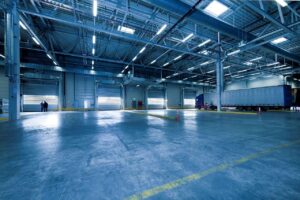
For warehouses, precise climate control protects inventory, equipment, and sensitive industrial processes.
Smart energy strategies reduce wasted heating and cooling while stabilizing indoor conditions.
Daisy Energy designs smart solutions that balance climate control with aggressive energy savings. This approach helps global facilities move toward net‑zero targets while maintaining reliability.
LED lighting retrofits and autonomous lighting control
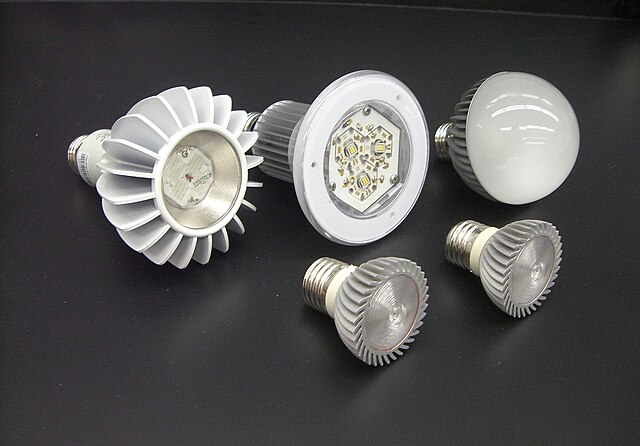
Lighting can account for about 17–35% of electricity in commercial buildings. LED retrofits often cut lighting energy use by 40–75%, depending on the baseline technology and hours of operation.
Daisy Energy’s LED lighting retrofits reduce lighting-related consumption by up to 85% in many projects. This supports lower heat gain, which can also reduce HVAC cooling loads in large spaces.
Autonomous lighting control uses sensors, scheduling, and algorithms to dim or switch off lights in real time. For warehouses with high ceilings, this can provide an additional 10–20% in electric savings on top of LED upgrades.
Advanced HVAC systems and climate control
Efficient HVAC systems are central to climate control strategy in large industrial buildings. HVAC often accounts for 40–60% of total building energy use, so optimization delivers significant savings.
Daisy Energy’s Energy‑Cubed HVAC Systems integrate heating, cooling, and onsite electricity from renewable or waste sources. This configuration can reduce reliance on fossil‑based grid power while stabilizing comfort across zones.
Smart controls modulate temperature setpoints, ventilation rates, and equipment staging in response to real‑time loads.
For warehouse and industrial clients, this limits over‑conditioning of low‑occupancy areas while protecting process requirements.
Solar, smart off‑grid lighting, and grid relief
Outdoor and yard lighting often runs all night, raising demand charges for facilities. Solar light poles and smart off‑grid lighting remove that load from the grid entirely.
Industrial solar lights have documented energy cost reductions of nearly 75% when replacing grid‑fed outdoor fixtures.
Daisy Energy’s off‑grid lighting combines solar generation, batteries, and controls to maintain illumination without utility power.
Deploying these systems also reduces peak grid demand, supporting regional decarbonization targets.
Paired with LED luminaires, solar lighting delivers both sustainability and predictable operating expenses.
EV chargers, electrification, and emissions reduction
Transportation is another major emissions source tied to logistics and warehouse operations. Workplace and fleet EV charging lowers Scope 3 emissions by shifting travel from combustion to electric.
Studies show household EV adoption can cut individual carbon footprints by up to several metric tons yearly. At scale, EV chargers at industrial and commercial sites support regional grid planning and clean transport programs.
Daisy Energy’s EV charger offerings integrate with existing electrical infrastructure, limiting major service upgrades. Smart charging strategies can align station loads with off‑peak periods or onsite solar generation.
Smart energy advisory, audits, and financial performance
Energy audits in commercial buildings commonly identify 15% or more total energy savings potential. These savings come from LED lighting, HVAC optimization, controls, and process load management.
Daisy Energy’s Smart Energy Advisory and audits quantify these opportunities for complex global facilities. The team then structures phased implementation plans aligned with capital budgets and rebate programs.
Financial tools such as incentives, tax deductions, and flexible financing improve project payback times. Programs support deductions for commercial efficiency upgrades that meet specified thresholds.
Global warehouses, case results, and next steps
Case studies show that lighting retrofits can achieve lighting energy reductions of 65–73% with short payback periods. Daisy Energy’s projects in industrial plants and arenas demonstrate paybacks of nearly two years in some cases.
These savings directly lower operating energy costs and shrink greenhouse gas emissions profiles. Upgraded lighting, climate control, and solar or EV solutions also improve worker comfort and site safety.
Facility managers can coordinate multi‑site programs across global warehouses to standardize smart energy measures.
Daisy Energy supports planning, project management, procurement, and commissioning across a range of industrial and commercial assets. Contact our seasoned team today for all your warehouse solutions.