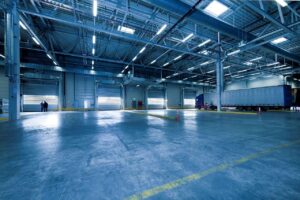

































Most commercial buildings lose between 30% and 50% of energy. Much of this waste comes from lighting that runs with no one around. Empty conference rooms stay lit for hours. Warehouses glow at night when few people work there. This waste adds up fast.
Lighting can consume up to 40% of total energy costs. When you combine it with poor HVAC control, buildings hemorrhage money. Your carbon footprint grows. Your budget shrinks. You fall behind competitors who make smart choices.
The solution exists right now. Autonomous Lighting Controls use artificial intelligence and sensors to stop this waste cold.
How Autonomous Systems Work
Autonomous Lighting Control combines three key technologies. Together, they create a system that thinks for your building.
Motion and Occupancy Sensors
These devices detect when people enter a room. Lights turn on instantly. When the last person leaves, a timer starts. If no movement is detected after the delay expires, lights fade off. This alone cuts lighting waste by up to 30 percent.
Daylight Harvesting
Natural light floods through windows during the day. A built-in sensor measures this light level. The system automatically dims or turns off electric lights. Studies from Western Michigan University confirm daylight harvesting alone saves 30 to 40 percent on lighting energy.
Artificial Intelligence and Machine Learning
The system learns your building’s patterns. It knows when shifts change. It predicts when spaces fill up. It adjusts lighting before workers arrive. Research from 2025 shows that AI controls can save more than basic sensors alone.
These three work together seamlessly. They communicate through a secure mesh network. This means each light fixture talks to its neighbors. The system updates every few seconds. It adapts to real-time conditions instantly.
The Mesh Network Advantage
Older lighting systems relied on central hubs. If the hub failed, everything stopped. Modern mesh networks are more intelligent.
Each light fixture acts as a communication point. If one fails, others relay messages around it. The system keeps working. Data security stays tight. Nothing depends on a single point of failure.
This decentralized approach means faster response times. Commands travel instantly. Lights adjust smoothly with zero lag. This speed matters in fast-paced facilities like warehouses or manufacturing plants.
Why LED and Autonomous Controls Belong Together
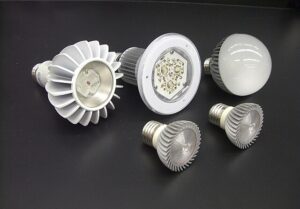
LED Lighting Retrofits form the foundation of any smart system. LEDs already use 60 to 90 percent less power than old bulbs. They generate minimal heat. They last 50,000 to 100,000 hours versus 1,000 hours for incandescent fixtures.
When you add autonomous controls to LEDs, the savings multiply. LEDs run cooler, so your HVAC system works less hard. Studies show this combination cuts cooling costs by 10 to 20 percent. You save on two fronts at once.
Carbon Footprint Reduction Matters
Reducing energy consumption means reducing carbon emissions. The United Nations reports that buildings consume 32 percent of global energy. They produce 34 percent of greenhouse gas emissions.
Every kilowatt-hour you save cuts your carbon footprint directly. LED retrofits with autonomous controls typically reduce lighting carbon emissions by 50 to 70 percent. This impacts your company’s environmental responsibility. It helps achieve Net Zero goals.
Customers increasingly demand sustainable practices. Employees want to work for environmentally conscious companies. Regulatory pressure keeps building. Smart energy solutions position your facility as a climate leader.
Making the Business Case Easy
Investment costs are dropping fast. Wireless sensors need no new wiring. Installation is quick and clean. Most upgrades take a few weeks, not months. Your staff stays productive during the transition.
Many regions offer utility rebates and tax incentives for LED and control upgrades. Daisy Energy helps navigate these opportunities. They can cover 20-50% of installation costs through available programs.
Moving Forward in 2026
Energy costs keep climbing. Climate regulations tighten each year. The time to act is now, not later. Early adopters gain competitive advantages. They lock in lower energy bills. They build stronger sustainability credentials.
Autonomous lighting controls represent proven technology with immediate financial returns. The investment is modest. The payback is fast. The environmental impact is meaningful.
GET A QUOTE from Daisy Energy today. Start saving energy, cutting carbon emissions, and improving your bottom line immediately. Call 877-352-0024 or email info@daisyenergy.ca to discuss your building’s specific needs.
Transform your facility into a smart, energy-efficient building. Reduce waste. Save money. Help the planet. Your facility’s future depends on making these choices now.